

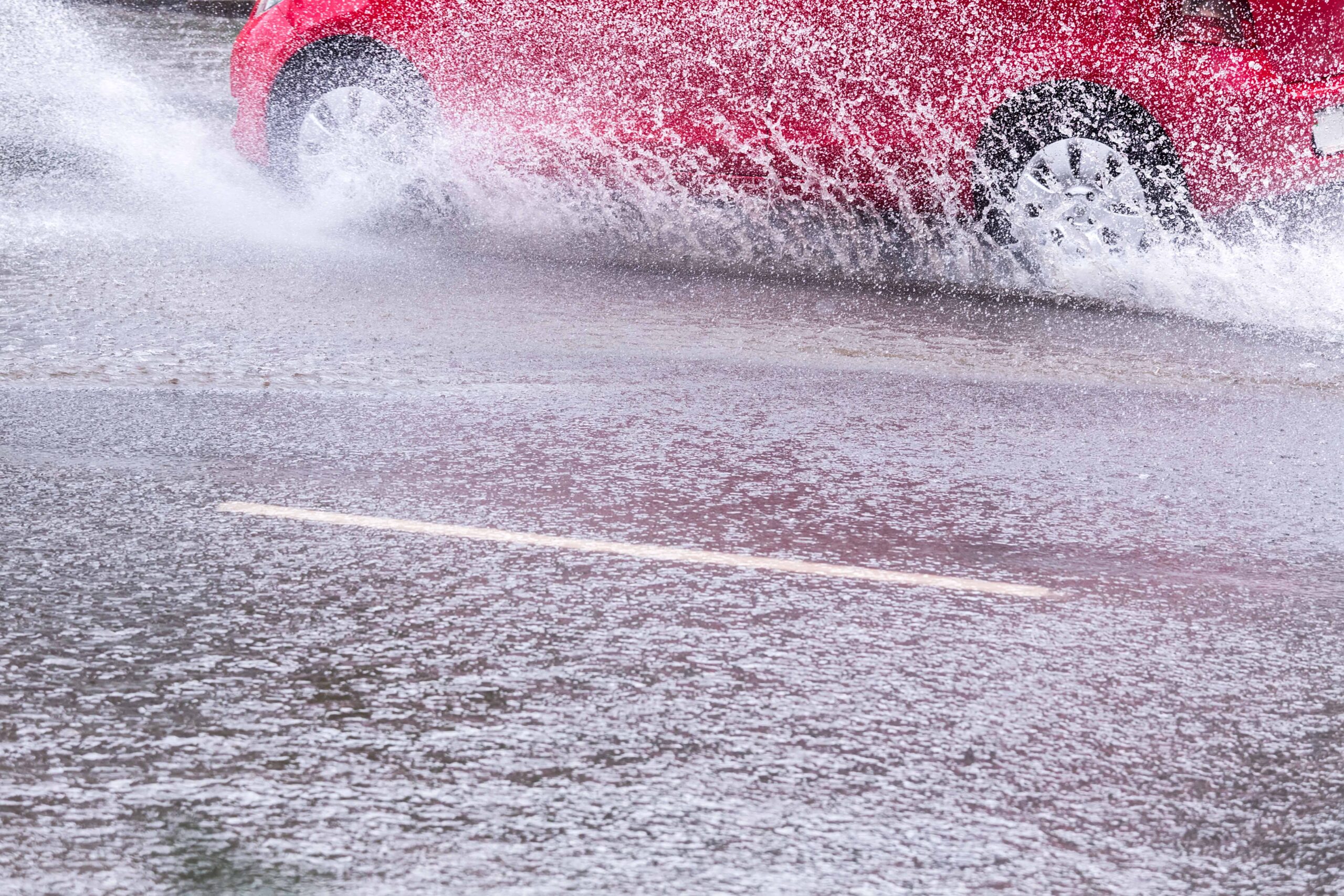
Spring in Maryland brings warmer temperatures, blooming flowers, and frequent rain showers. While rain is a normal part of the season, it can also create hazardous driving conditions across the state. From slick highways around Baltimore to flooded roadways in low-lying areas of Montgomery and Prince George’s Counties, wet weather increases the risk of crashes and traffic disruptions.
As Maryland drivers head into the rainy season, understanding how wet roads affect driving and taking the proper precautions can help keep everyone safer on the road.
Weather Related Crashes
Traffic crashes remain a major safety concern across Maryland. According to Zero Deaths Maryland, there were over 110,000 total motor vehicle crashes in Maryland in 2023, including 577 fatal crashes and more than 28,000 injury crashes.
Weather conditions, including rain, play a significant role in many crashes. National transportation data shows that 70–75% of weather-related crashes occur on wet pavement, and nearly half occur during rainfall.
These statistics highlight how even routine rain showers can significantly impact roadway safety, especially during Maryland’s busy spring travel season.
4 Tips for Driving Safely in Maryland’s Rainy Weather
Spring showers don’t have to equal dangerous driving. Practicing safe driving habits during rainy weather can significantly reduce your risk of accidents.
- Slow Down and Give Yourself More Space
The National Highway Traffic Safety Administration advises drivers to increase stopping distance, so drivers should reduce their speed and increase the distance between their vehicle and the car in front of them. Allowing extra following distance gives you more time to react if traffic slows suddenly.
- Turn On Your Headlights
Rain reduces visibility for both drivers and pedestrians. Turning on your headlights, even during the daytime, helps ensure that other drivers can see you more clearly.
- Watch for Hydroplaning
Hydroplaning occurs when water builds up between your tires and the road surface, causing your vehicle to lose traction. If this happens, avoid sudden braking or sharp steering. Instead, ease off the accelerator and maintain steady control of the steering wheel.
- Never Drive Through Flooded Roads
Flooding is a serious hazard in Maryland, particularly in areas near rivers, creeks, and low-lying roadways. Local officials warn drivers not to attempt to drive through flooded streets or bypass road closures because water levels and road conditions may be unsafe. Even a small amount of moving water can be powerful enough to move a vehicle, making it safer to turn around and find an alternate route.
Staying Safe During Maryland’s Rainy Season
For many Maryland residents, driving is part of daily life, whether commuting to work, running errands, or traveling between counties for recreational activities.
Before heading out this spring, it can be helpful to check weather forecasts and traffic updates. Sudden spring downpours can quickly change road conditions, especially during peak commuting hours. By slowing down, increasing your following distance, and avoiding flooded roads, drivers can reduce risks and help to keep Maryland roads safer.